1. Describe what you found
Tell the team about syringes, powders, stains or smells. You do not need to explain why they are there.
Weatogue, CT · Capitol Planning Region
Business owners in Weatogue who find syringes in a restroom or storeroom can call (877) 812-4220. A cleanup team can remove sharps and residue and clean the room before it reopens.
If anyone is in danger, call 911 first. For a suicide crisis, call or text 988.
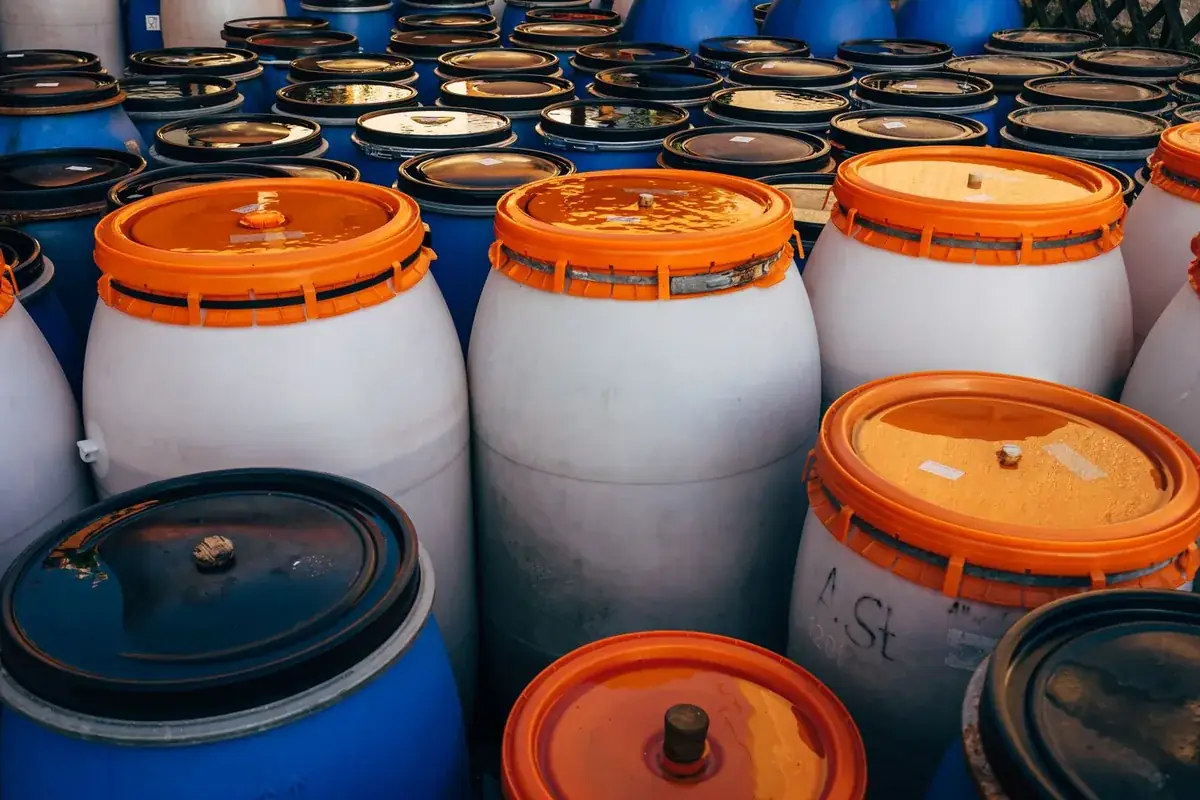
Biohazard cleanup for drug use covers removal of contaminated items, decontamination of surfaces, disposal of soft materials that cannot be cleaned and treatment of lingering odor.
Drug paraphernalia cleanup in Weatogue is a safety and dignity job, and you can ask Weatogue Biohazard Cleanup Help for that kind of care in Capitol Planning Region. The crew keeps details private, takes care with every item and explains what was done.
Emergency care for people in Weatogue is available at John Dempsey Hospital of the University of Connecticut in Farmington. Cleanup can wait until everyone is safe. About 34% of households in Capitol Planning Region rent. Whether you are an owner, a landlord or a family member, a cleanup team can help.
Drug Paraphernalia Cleanup in Weatogue usually includes:
Tell the team about syringes, powders, stains or smells. You do not need to explain why they are there.
Cleanup technicians use puncture-resistant gloves and tools. Unknown powders are never swept or vacuumed dry.
Items are lifted with tools into labeled containers. Soft materials that cannot be cleaned are removed and bagged.
Waste leaves the property, and the owner can ask for a summary of what was removed and cleaned.
The cost of drug paraphernalia cleanup in Weatogue, CT depends on the amount of material, how it is packed and how it is hauled.
Disposal of sharps and contaminated materials as regulated waste is part of the price, and it changes with the amount.
| Type of job | Typical range |
|---|
These ranges come from published cost guides () and are not a quote for Weatogue. Price drivers include amount of material, whether residue is present, surfaces affected, waste disposal. For a real number, call (877) 812-4220.
Wash the area with soap and water and get medical care right away. Call 911 in an emergency. Poison Control can answer exposure questions. Tell the doctor what happened and where the needle was found, if you know.
No. This page explains how drug paraphernalia cleanup works. It is not medical, legal or insurance advice. For symptoms, contact a doctor or Poison Control, and for legal questions, ask an attorney.
Some residues can harm people who touch them, and you cannot tell by looking which ones. That is why gloves are not a substitute for professional cleanup. If skin touches something unknown, wash with soap and water and call Poison Control.
Vehicles can hold syringes, residue and odor in seats, carpets and vents. Ask whether the team cleans vehicles and how soft materials are treated. Crews use the same protective gear and sealed containers as in a building.
Often, yes. Many teams can arrive in an unmarked vehicle and work quietly. If privacy matters, ask about it when you call. The crew shares only what it needs to plan the work.
Loose syringes should never go in household trash, because they can stab sanitation workers. Other items may carry residue. A cleanup team seals and disposes of everything the safe way.
Crews work without judgment and focus on making the space safe.
Call (877) 812-4220